
Post-Remediation Air Treatment in Newcastle
Request a Quote
Fill out the Form below
Following a successful mould remediation project, the final step to ensuring a truly clean indoor environment is addressing what remains in the air. Physical mould removal can disturb dormant spores, releasing them into the air where they can settle on clean surfaces or be inhaled. Our air treatment service is a crucial final step, designed to capture these microscopic airborne particulates and support the long-term success of remediation work in your Newcastle property.
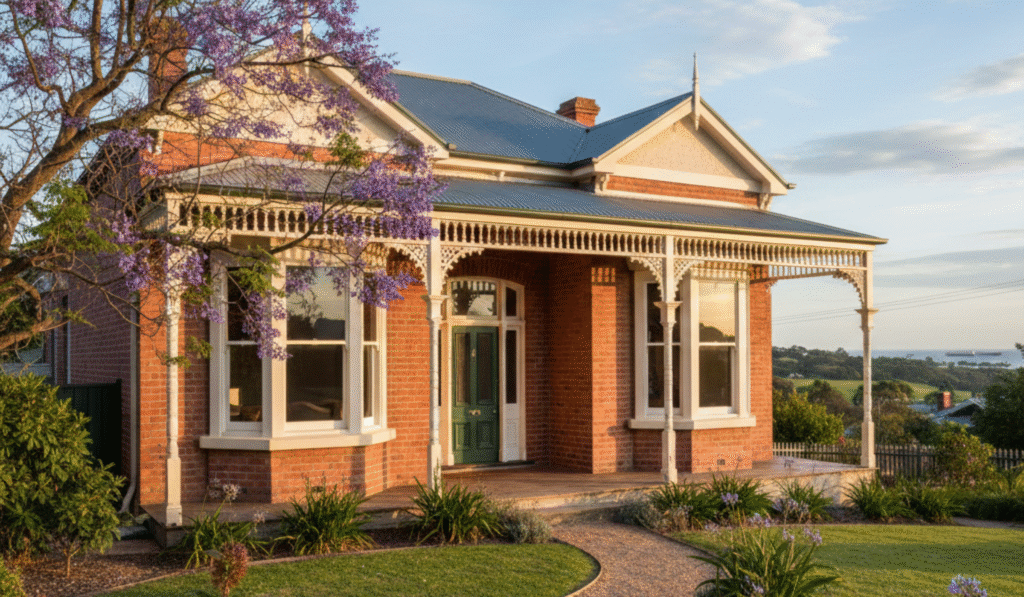
This isn’t about simply freshening the air; it’s a technical process that targets the invisible threat. For homes in coastal suburbs like Merewether or Bar Beach, where persistent sea mist and humidity create a constant battle, ensuring the air is clear of spores is critical to preventing rapid regrowth.
Is Surface Mould Removal the Final Step? Not Always.
Even after meticulous cleaning and removal of visible mould, millions of spores can remain suspended in the air. These spores are invisible to the naked eye but represent the primary vehicle for cross-contamination and future outbreaks.
Our process directly addresses this by physically scrubbing the air, targeting the residual contamination that standard cleaning leaves behind. This is particularly important for properties with challenging environmental factors, such as the older, less-ventilated sub-floors common in the heritage homes of Hamilton and Cooks Hill, or the damp, river-adjacent air found throughout the Hunter region.
Our Air Scrubbing Protocol: Beyond Simple Filtration
We adhere to the principles outlined in the IICRC S520 Standard, the industry benchmark for professional mould remediation in Australia. Our technicians use commercial-grade HEPA (High-Efficiency Particulate Air) filtration units to create a controlled environment and systematically purify the air. What you’ll actually receive:
When is Air Treatment Necessary for
Newcastle Properties?
An inspection or air sampling report is the only reliable way to determine if air treatment is needed. We only recommend this service when findings justify it. Common scenarios we encounter in the Newcastle area include:

After remediation of extensive growth
If significant mould colonies were removed, especially in enclosed areas like the attics or sub-floors of homes in Wallsend or Mayfield.
Properties with vulnerable occupants
For households with individuals who have asthma, allergies, or compromised immune systems.
Following water damage events
After flooding or significant leaks, like those caused by heavy seasonal rainfall in Charlestown, where high spore loads are common.
Pre-purchase peace of mind
For buyers of older properties in suburbs known for dampness, ensuring the air is clean is a valuable final step before moving in.
Air Treatment FAQs
What specific equipment do you use for air treatment?
We primarily use commercial-grade HEPA 500 air scrubbers and similar high-volume filtration devices. These are the same tools specified for use in sensitive environments to manage airborne particulates effectively.
Does this process remove mould from walls or ceilings?
No. Air treatment only targets airborne contaminants. It is a post-remediation service performed after all visible surface mould has been physically removed according to the AS-IICRC S520 standard.
How does this differ from running a store-bought air purifier?
Commercial air scrubbers are significantly more powerful. They process a much higher volume of air per hour and use certified HEPA filters within a sealed unit, preventing leakage. A retail purifier is designed for light, daily use, not for the rapid cleanup of a contaminated environment after remediation.
Is this service always required after mould remediation?
Not always. The decision is based on the initial inspection, the extent of the contamination, and the findings of any air sampling tests. We provide a clear explanation of why it is, or is not, recommended for your specific situation.
Secure Your Post-Remediation Air Quality
If an inspection has identified elevated airborne spore levels in your Newcastle home or business, or if you’re completing a mould removal project, contact our team. We provide transparent advice and professional air treatment services grounded in industry best practices.
Request a Quote
Fill out the Form below